Français
  English
  العربية
  简体中文
简体中文  香港中文
香港中文 

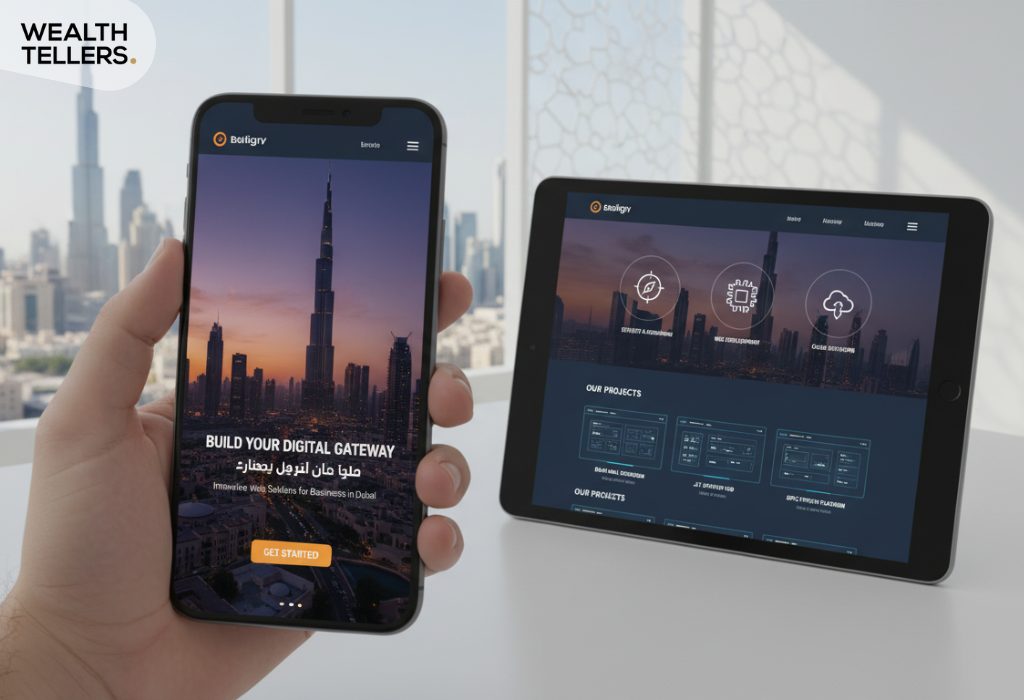
Building a website for your business in Dubai opens up new opportunities to reach customers, extend your brand, and showcase your products or services. Whether you run a startup or already have an established presence, a well-structured site gives you an edge in one of the world’s most vibrant economic hubs. Below, you will find a step-by-step guide that helps you craft an effective online platform. By following these tips, you can present your company professionally and comply with the relevant rules in the United Arab Emirates (UAE).
Explore Dubai’s Online Market
Understanding the local market is vital before you begin. Dubai’s business environment is highly competitive, which means customers in the region expect a polished, professional, and user-friendly experience from every website they visit. When you build a website for your business in Dubai, you should focus on making a memorable first impression one that reflects the city’s modern outlook and high standards.
Dubai Website Readiness (Quick Checklist)
Use this before you pick a platform or designer, so you don’t miss the basics Dubai customers expect.
- Clear purpose: visitors instantly understand what you offer and who it is for.
- Trust signals: real contact info, policies, and professional visuals.
- Speed-first: compressed images + caching so pages load fast on mobile.
- Local fit: language plan (English/Arabic) and culturally appropriate imagery.
- Compliance mindset: privacy policy + secure handling of user data.
Simple Dubai Website Planning Flow
What people in Dubai expect: speed, clarity, trust, and a premium feel.
Your top services/products, proof, and the single action you want visitors to take.
Navigation, mobile layout, clear buttons, and local trust signals.
Why an Online Presence Matters
- Visibility: People are more likely to research services online before making a purchase or visiting a store. A website ensures your brand is discoverable 24/7.
- Credibility: A professional site helps you gain trust, especially from potential international partners or investors.
- Growth Potential: Through digital channels, you can tap into the wider UAE market, as well as neighboring Middle Eastern countries.
Why Dubai Businesses Benefit From a Strong Website
Visibility that works all day
Trust for local + international audiences
Room to grow beyond one location
Local Competition and Opportunities
- Tailor Your Offerings: Your site can highlight special features or services that cater specifically to local consumers.
- Stand Out from the Crowd: Showcase your brand’s unique points to differentiate yourself in a busy online ecosystem.
- Align with Business Setup Plans: If you plan to register a physical presence in the UAE, you can explore uae business setup for foreigners to learn more about company formation and licensing options.
What Dubai Website Visitors Expect
| Expectation | What to do on your site | Quick win |
|---|---|---|
| Fast loading | Compress images, enable caching, keep pages lightweight. | Use modern image formats where possible and avoid huge sliders. |
| Clear trust signals | Show contact info, policies, and proof (reviews, case studies, certifications). | Add a visible contact button on every key page. |
| Mobile-first usability | Design for thumb-friendly buttons and readable text. | Test your top pages on a phone before publishing updates. |
| Premium look & feel | Clean layout, consistent spacing, professional images. | Use fewer sections per page and stronger hierarchy. |
Secure Domain and Hosting
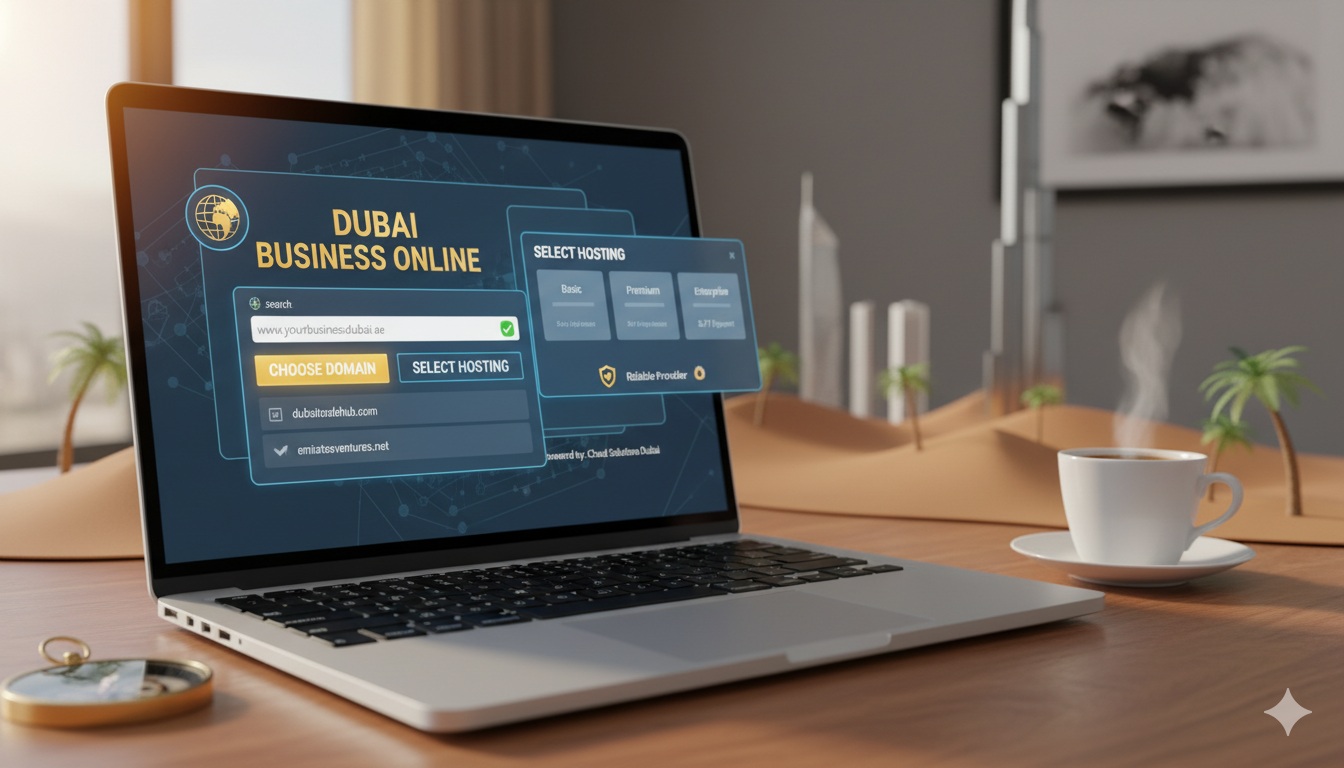
After mapping out your market strategy, the next step is to claim your online location. You need both a domain name (like yourbusiness.ae) and a hosting provider that keeps your site live for visitors.
Choosing a Domain Name
- Reflect Your Brand: Select a domain name that’s memorable, concise, and relevant to what you do.
- Use Local Extensions: If you specifically target Emirati customers, consider using a .ae extension to build trust.
- Avoid Complexity: Simple names are easier to recall and look more credible.
Selecting a Reliable Hosting Provider
- Server Location: Hosting your site on a server near the Middle East can help reduce loading times for local users.
- Reliability and Uptime: Look for providers with strong uptime guarantees to ensure minimal downtime.
- Security Features: Confirm that SSL certificates, firewall protection, and regular backups are part of the package.
Domain and Hosting Checklist (Dubai-Focused)
| Item | What to check | Why it matters |
|---|---|---|
| Domain choice | Brand-friendly, simple spelling, and easy to say out loud. | People remember it and trust it more. |
| .ae extension (optional) | Use if Emirati customers are your main audience. | Builds local familiarity and credibility. |
| Server location | Prefer a server near the Middle East if your customers are in UAE. | Lower load time for local visitors. |
| Security bundle | SSL, firewall protection, and automated backups included. | Reduces risk and builds trust for inquiries/payments. |
| Uptime guarantee | Look for strong uptime commitments and support response. | Your site stays available for customers. |
Design a User-Friendly Site
In Dubai’s fast-paced business climate, you want to capture attention quickly. Whether you hire a professional web designer or use a do-it-yourself platform, prioritize clear navigation and visual appeal. A well-organized layout keeps users engaged and interested in what you offer.
User-Friendly Priorities for Dubai
These four areas usually make the biggest difference to engagement and inquiries.
Clear pages, simple menus, and obvious next steps.
Thumb-friendly buttons, readable text, quick loading.
Clean layout, strong spacing, professional imagery.
English/Arabic plan and local references where relevant.
Focus on Ease of Navigation
- Limit Menu Options: Use concise labels for your main navigation, and avoid overcrowding it with too many pages.
- Logical Hierarchy: Organize related content under submenus so visitors can easily discover detailed information.
- Clear Calls to Action: Buttons or links that say “Contact Us” or “View Services” can guide people smoothly through your website.
Mobile Responsiveness
- Adapt to Various Devices: Mobile internet usage in Dubai is particularly high, so test your site’s performance on smartphones and tablets.
- Optimize Loading Speeds: Compress images and leverage caching to keep pages fast on mobile connections.
- Finger-Friendly Layouts: Ensure buttons and links are easy to tap with a thumb or finger.
Quick Quiz: Is Your Dubai Website Ready?
Answer 4 questions. You’ll get a simple result and next step.
Localization for the Dubai Audience
- Culturally Appropriate Design: Choose visuals that reflect the local culture and lifestyle.
- Language Considerations: You may want to offer content in both English and Arabic, based on your customer base.
- Geographically Targeted Content: Use local references and examples to connect with your Dubai audience in a more personal way.
Add Essential Pages
Your website’s main pages serve as the pillars that communicate who you are, what you do, and how to get in touch. Present your information in a way that feels welcoming and easy to digest. This approach positions your brand as trustworthy and knowledgeable about the local market.
Essential Pages (Must-Have List)
Homepage Essentials
- Clear Introduction: Greet visitors with a succinct statement about your business, highlighting what you bring to the table.
- Eye-Catching Visuals: Use high-quality images that demonstrate your brand’s personality.
- Strong Call to Action: Direct visitors toward a primary goal, such as requesting a quote or viewing special offers.
Services and Product Pages
- Specific Descriptions: Highlight key features and benefits of your offers, especially those that set you apart.
- Organized Layout: Group similar services or product categories together to help users find relevant content quickly.
- Showcasing UAE Expertise: Include your local knowledge, licensing approvals, or specialized UAE credentials to reinforce your authority.
Contact Details and Legal Notices
- Contact Form: Make it easy for customers to reach you, and include a basic contact form for inquiries.
- Company Address: If you have a physical location in the UAE, display the address and Google map directions.
- Legal Notices and Terms: Provide privacy policies, disclaimers, and any mandatory statements required by Dubai authorities.
Essential Pages and What to Include
| Page | Include | Tip |
|---|---|---|
| Homepage | Clear intro, key services, proof, and a strong call to action. | Make your main button easy to see and repeat it down the page. |
| Services / Products | Benefits, pricing direction, FAQs, and who it is for. | Use separate sections for each service to keep it scannable. |
| Contact | Simple form, phone, address (if relevant), and business hours. | Keep the form short: name, phone/email, message. |
| Privacy + Terms | Data usage, cookies, disclaimers, and required statements. | Keep language simple and clear to build trust. |
Optimize for Dubai SEO
Search engine optimization (SEO) raises your website’s ranking in search results, making it more likely local and international audiences will find your business. In a competitive market like Dubai, strong SEO ensures you don’t miss out on valuable leads.
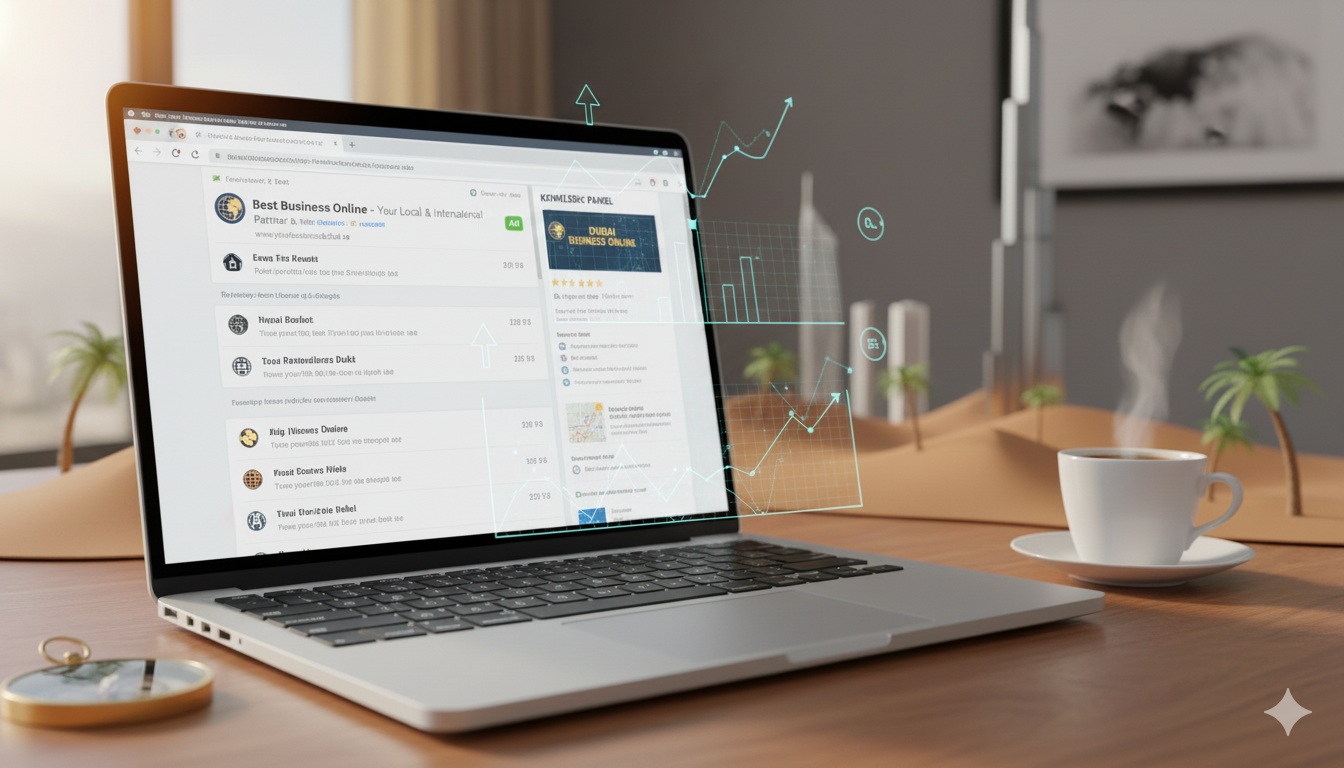
Dubai SEO Loop (Simple View)
Keyword Research and On-Page SEO
- Identify Your Main Phrases: Target local keywords such as “build a website for your business in Dubai.”
- Natural Placement: Use these terms in your titles, page headings, and content without stuffing them unnaturally.
- Meta Tags and Descriptions: Add a compelling meta title and description for each page to encourage clicks from search results.
Local SEO Strategies
- Google Business Profile: Registering with Google helps your site appear in local searches and on Google Maps.
- Location-Specific Pages: If you operate in multiple UAE cities or neighborhoods, consider separate pages tailored to each location.
- References to Licensing: Search engines may see you as more credible if you mention relevant UAE business laws or licensing topics, such as types of business licenses in the uae.
Meet UAE Rules
Dubai’s legal environment is quite structured, and certain regulations apply to online activities. Observing local laws also fosters trust among potential partners or clients who want to work with reputable companies.
UAE Website Compliance Quick List
| Area | What to include | Why it helps |
|---|---|---|
| Licensing | Up-to-date business license for your activities. | Reduces risk and builds trust with partners. |
| Content standards | Avoid content that breaches local regulations or cultural sensitivities. | Protects brand reputation and avoids compliance issues. |
| Privacy policy | Clear explanation of data collection and usage. | Builds trust and supports data compliance. |
| Secure site | SSL certificate and secure forms/payments. | Protects user data and increases conversions. |
Legal Requirements
- Commercial Licenses: Ensure you have the necessary commercial license to operate in the UAE. The cost to setup freezone company in uae can vary, so it’s wise to budget accordingly if you plan to establish a physical or virtual office.
- Content Guidelines: Refrain from posting anything that breaches local regulations, and be aware of cultural sensitivities.
- E-Channel and Payment Rules: Check whether your company needs e-channel registration, especially if you plan to manage e-commerce or hire employees.
Privacy and Data Protection
- Compliance with Data Laws: The UAE has specific regulations regarding user data, so you must adopt privacy policies that clearly outline how you handle personal information.
- Secure Transactions: Reassure visitors by having SSL certificates and secure payment gateways, particularly if you sell services or products online.
Include Payment Solutions
Whether you plan to offer full e-commerce or simply collect deposits online, integrating convenient payment methods can expand your customer base. Many Dubai consumers are comfortable with digital transactions, so providing popular and secure options builds trust.
Choosing the Right Gateways
- Cart Integration: If you run an online store, look for payment gateways that easily sync with your shopping cart platform.
- Compatibility with Local Banks: Pick providers that accept credit cards commonly used in the Middle East.
- Transparent Fees: Inform customers about any handling or transaction fees related to each payment method.
Security and Trust Signals
- SSL Certificates: Display security badges that confirm your site encrypts data during transactions.
- Payment Seals: Platforms like Visa or MasterCard often provide a small graphic to assure users of payment protection.
- Refund Policies: Share clear refund or exchange policies, especially if you’re selling tangible products.
Payment Options: What to Think About
| What you need | Best fit | Notes |
|---|---|---|
| Simple deposits or invoices | Payment link or checkout page | Start simple, then upgrade to full cart later. |
| Full e-commerce | Cart-integrated gateway | Make sure it syncs cleanly with your platform. |
| Local card acceptance | Gateway compatible with regional cards/banks | Reduce checkout friction for UAE customers. |
| Trust signals | SSL + clear refund policy + visible security badges | Trust details often increase conversions. |
Maintain and Improve
A website is never truly finished. Ongoing efforts to keep it fresh, secure, and updated will help you flourish in a market like Dubai, where technology and consumer preferences evolve quickly.
Monthly Website Maintenance Routine
- Update CMS, themes, and plugins to patch security issues.
- Check backups (and test a restore occasionally).
- Review key pages for outdated info (services, pricing direction, contact).
- Track performance: traffic, bounce rate, and top conversion pages.
- Improve trust: add new reviews, case studies, or recent work.
Regular Updates and Security
- Core Updates: Regularly update your site’s content management system (CMS) to patch security bugs.
- Backup Schedule: Automate weekly or monthly backups to protect against data loss.
- Monitor Performance: Use analytics tools to track bounce rates, traffic sources, and user behavior.
Growth Strategies
- Content Marketing: Adding blog posts, guides, or videos about local business insights in Dubai can attract more visitors.
- Social Media Outreach: Engage with potential customers on platforms popular in the UAE.
- Collaborations and Links: Develop relationships with local partners, directories, or industry groups to earn credible backlinks.
Key Takeaways
- Plan Locally: Tailor your site design, language, and SEO to resonate with Dubai’s fast-moving audience.
- Domain and Hosting Basics: Pick a recognizable domain name and reliable hosting to lay a stable foundation.
- Dubai-Specific SEO: Use localized keywords and ensure your business registers with Google for better local visibility.
- Stay Compliant: Always meet UAE business laws, maintain up-to-date licenses, and respect cultural norms.
- Continuous Updates: Keep your website alive with fresh content, user-friendly layouts, and secure payment options.
Building a website is an ongoing journey. You will refine your design, experiment with new features, and adapt to changes in the UAE’s dynamic economy. By taking a strategic approach from the start and consistently fine-tuning each aspect, you stand a better chance of appealing to a broad audience. Most importantly, your Dubai-focused website can become a powerful asset that moves your venture closer to success. If you are still figuring out your overall plan, be sure to explore the relevant steps for setting up a company including types of business licenses in the uae to ensure you have the proper foundation for growth. Good luck, and enjoy watching your online presence thrive!
Want a Dubai-Ready Business Website Plan?
Get clear guidance on structure, design, SEO, and compliance so your website is built to perform in Dubai.