العربية
  English
  Français
  简体中文
简体中文  香港中文
香港中文 


Real estate is one of the most vibrant industries in the UAE, and many aspiring entrepreneurs look to the region for its lucrative opportunities. If you want to start a real estate business in Dubai, you are stepping into a market known for iconic skyscrapers, globally recognized developments, and a thriving economy. By understanding local regulations, forming the right strategy, and building a solid foundation, you can establish a lasting presence in one of the world’s most dynamic property hubs.
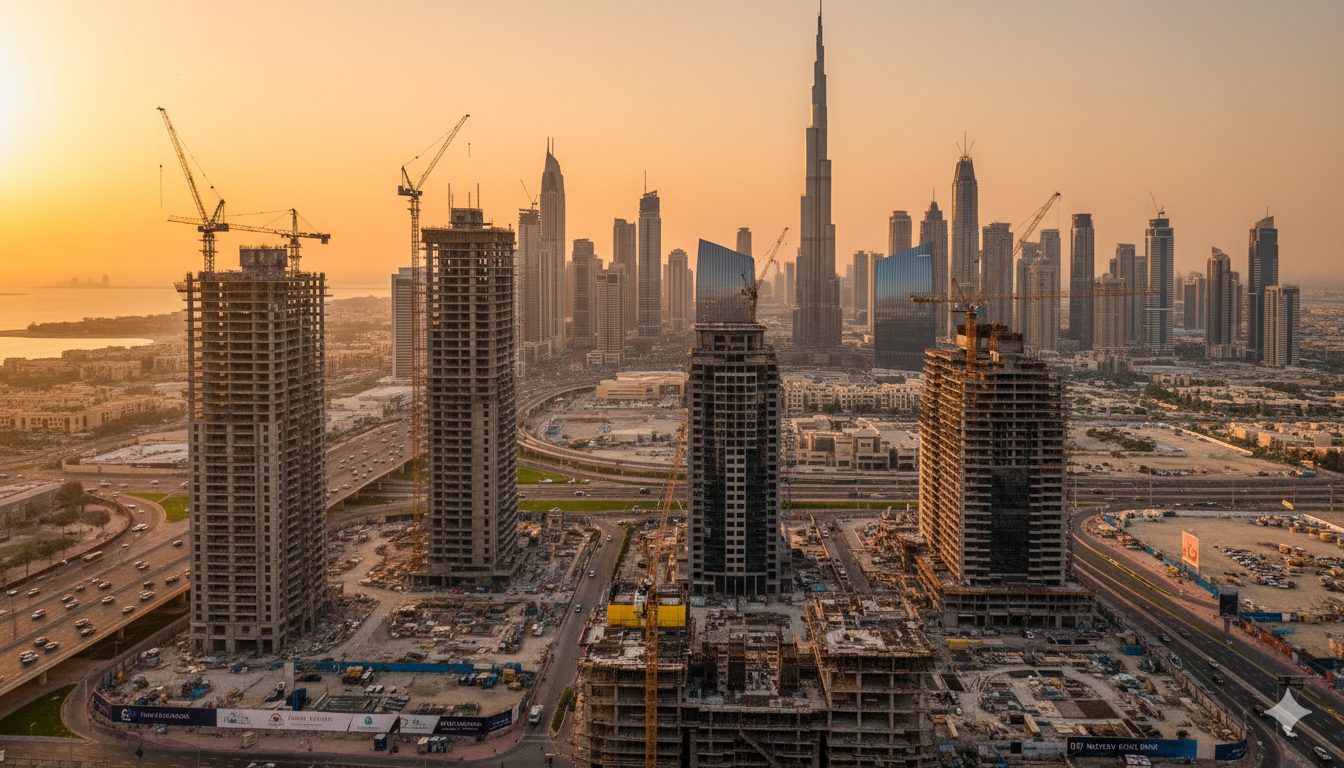
Research The Dubai Real Estate Market
A strong understanding of the Dubai property market is more than just knowing basic supply and demand. You need awareness of property types, popular neighborhoods, and buyer or tenant preferences. Having the right market insights helps you position your services effectively and avoid pitfalls.
Dubai Market Research Loop
Use this quick loop to keep your research practical and repeatable as the market shifts.
Look At Key Property Segments
- Residential Homes: Apartments, villas, and townhouses are in constant demand, especially in areas like Dubai Marina, Downtown Dubai, or Jumeirah Village Circle.
- Commercial Properties: Office spaces, retail outlets, and even co-working spots can be profitable as Dubai encourages diverse businesses to set up shop.
- Industrial Warehouses: As the UAE continues to grow as a regional logistics hub, warehouses and distribution centers often spark investor interest.
By narrowing down which segment you want to focus on—or even spreading your expertise across multiple niches—you can differentiate your services and stand out as a go-to source in that area.
Market Research Quick Checklist
-
Pick one primary segment (residential, commercial, or warehouses) and one backup niche.
-
List 3 neighborhoods you will focus on and what buyers/tenants want there.
-
Track trends that match your segment (smart, sustainable, integrated communities).
-
Define your service promise in one line (speed, guidance, niche expertise, or portfolio type).
Observe Emerging Trends
Keeping track of emerging trends like smart homes, sustainable buildings, or integrated communities can help you stay ahead of the curve. Dubai’s government agencies frequently roll out innovative urban planning initiatives, and being prepared for these changes could significantly boost your credibility.
Define Your Business Structure
One of the most important early steps is figuring out your business structure. This decision affects how you obtain licenses, pay taxes, manage liabilities, and even market your services. Some entrepreneurs prefer full onshore presence, while others capitalize on free zone advantages.
Mainland Vs Free Zone
You can establish a real estate business either in the mainland or one of Dubai’s many free zones. Mainland companies allow you to operate across the UAE without restrictions and are managed under the Department of Economy and Tourism (previously Department of Economic Development). On the other hand, free zones cater to specific industries, offering perks like tax exemptions, 100 percent foreign ownership, and fast-tracked paperwork. For more insights, check out mainland vs free zone to understand which structure best aligns with your goals.
Mainland vs Free Zone Setup (Quick Comparison)
| Factor | داخل الدولة | المناطق الحرة |
|---|---|---|
| Where you can operate | Across the UAE without the same restrictions. | Often best for specific activities; terms vary by free zone and activity scope. |
| Authority | Department of Economy and Tourism (DET). | Relevant free zone authority. |
| Ownership | Reforms allow near or full ownership in certain sectors (depends on activity). | Commonly offers 100% foreign ownership. |
| Setup speed | Can be straightforward, but may include extra approvals for real estate activities. | Often fast-tracked paperwork and packaged services. |
| Best fit for | Businesses needing wide UAE market access and local operations. | Businesses prioritizing ownership structure and bundled setup support. |
Navigating Foreign Ownership
Historically, foreign investors needed a local sponsor to launch in the mainland, but recent reforms allow near or full ownership in certain sectors. Depending on your plans, you might also explore 100% business ownership. Be sure to research whichever regulations apply to your line of business, since real estate often requires additional oversight by authorities like the Real Estate Regulatory Agency (RERA).
Quick Notes on Setup and Oversight
Mainland vs Free Zone: how to decide
Foreign ownership: what to double-check
RERA/DLD: why it matters early
Obtain The Right Licenses
Starting a real estate business in Dubai involves obtaining licenses that allow you to legally operate as a broker, property manager, or developer. You will need to work with multiple government departments, so it helps to have a checklist.
Real Estate License Categories (What Each Covers)
| License type | What it allows | Best for |
|---|---|---|
| Brokerage License | Facilitate buying, selling, or renting properties for clients. | Agents and firms focused on transactions and listings. |
| Property Management License | Manage and maintain properties for owners and investors. | Teams building recurring revenue from landlord services. |
| Development License | Build or develop properties for sale or lease. | Businesses planning projects and development activity. |
Explore License Categories
- Brokerage License: Allows you to facilitate buying, selling, or renting properties on behalf of clients.
- Property Management License: Authorizes you to manage and maintain properties for owners and investors.
- Development License: Needed if you plan to build or develop properties for sale or lease.
For details on various licenses, you can look into types of business licenses in the uae. Also, exploring the steps to get a business license in dubai can clarify the process and required documentation.
Common License Application Steps
- Register a trade name: Ensure your chosen name meets Dubai’s naming guidelines.
- Apply to the Department of Economy and Tourism (or relevant free zone authority): Provide the required forms and documents, including passport copies, No Objection Certificates (if needed), and business plans.
- Gain approval from RERA or specialized authorities: Real estate activities usually require extra permissions, so confirm your eligibility with regulatory bodies.
- Acquire your license and finalize your registration: After receiving the official license, you can open a business bank account and move forward with day-to-day operations.
License Application Steps (Fast Visual)
Secure Financial Backing
Once you have your license path mapped out, you will want to confirm your financial footing. Dubai’s dynamic real estate landscape offers many opportunities, but it can also be highly competitive. Having sufficient funds ensures you can weather any fluctuation in property demand or unexpected costs.
Estimate Startup Costs
Real estate businesses usually face initial expenses such as office lease, marketing, and license fees. The cost of business license in dubai can vary based on your chosen jurisdiction. If you decide to launch in a free zone, you may want to verify the cost to setup freezone company in uae. Keep in mind that additional approvals or specialized real estate requirements may raise your overall costs.
Startup Cost Buckets (What to Plan For)
| Cost bucket | Examples | Notes |
|---|---|---|
| Licensing and approvals | Trade license, activity approvals, required certificates (if applicable) | Costs vary by setup choice and required regulatory steps. |
| Office and operations | Office lease, utilities, basic tools and software | Scale this to your initial team size and service model. |
| Marketing and sales | Branding, website, portals, ads, photography, listing support | Budget more early if you rely on listings and lead generation. |
| Working capital | Buffer for delays, renewals, and unexpected costs | Helps you handle market dips and timing gaps in deals. |
Funding Options
- Personal Financing: If you are comfortable using personal savings, you have immediate control over your budget.
- Bank Loans: Many local and international banks in Dubai offer SME loan packages, though you will need a solid credit history and business plan.
- Investors or Partnerships: Consider presenting your concept to angel investors or venture capitalists who find the real estate market appealing. Provide them with a clear revenue model and timelines.
- Government Incentives: Some free zones and government programs encourage foreign investment through grants, tax benefits, or subsidized setup fees.
Having well-structured finances makes you more credible when bringing on clients, landlords, or developers. It ensures that you can cover down payments, handle project delays, and keep your operational costs under control.
Create A Comprehensive Marketing Plan
A marketing plan is crucial for raising brand awareness, attracting clients, and building a trustworthy reputation. Traditional methods still exist—like newspaper listings or local magazines—but digital marketing has become essential for property-focused businesses.
Marketing Channels (Quick Breakdown)
Real estate portals
Paid ads
Content marketing
Networking events
Branding And Online Presence
Position your firm as reliable and professional across your website, social media, and offline materials. Your consistency sets the tone for how potential clients perceive you. For a new property company, at least set up your website and consider social platforms that fit your audience. If you are unsure where to start, you might explore how to build a website for your business in Dubai as part of your promotional strategy.
Digital Advertising And Content
- Real Estate Portals: Popular property websites (like Property Finder and Bayut) are often the first place buyers and renters look.
- Paid Ads: Using online advertising platforms can help you reach specific audiences quickly, especially if you target particular districts or property categories.
- Content Marketing: Publishing expert real estate tips and advice can establish your knowledge and attract clients. If you need more ideas, see digital marketing strategies for startups for guidelines.
Networking Events
Attending real estate conferences and expos is an effective way to meet potential investors, broker partners, or even government officials. Handing out business cards might still work, but make sure your digital presence also reflects the image you convey in person.
Build Strong Partnerships And Networks
In a thriving real estate market, relationships matter. Whether you connect with developers, property owners, or service providers, your network can significantly impact your deal flow and brand reputation.
Work With Developers
Partnering with reputable developers boosts your credibility. These collaborations can grant you exclusive listings or early access to property launches, allowing you to offer unique deals to your clients. Maintaining transparent and professional communication is key to building long-term trust.
Cultivate Community Relationships
- Engage With Local Brokers: Building relationships with other agents can lead to shared listings or referrals.
- Collaborate With Interior Designers And Contractors: In Dubai’s fast-paced market, buyers often look for turnkey solutions. By linking them to reliable service providers, you add value that sets you apart.
- Participate In Community Groups: Join local business organizations to stay updated on market shifts and regulatory changes. Your presence in these groups can also generate valuable leads.
Stay Compliant With Legal Regulations
Real estate is heavily regulated in Dubai, and adhering to legal guidelines protects both your clients and your reputation. Pay attention to every detail, from your contract templates to anti-money laundering laws, and consistently renew your licenses before they expire.
RERA And DLD Requirements
The Real Estate Regulatory Agency (RERA) and Dubai Land Department (DLD) oversee much of the city’s property market. You may need specific permits or qualifications, including real estate agent certification or property management approvals. While some regulations may seem extensive, they ultimately foster a trustworthy environment for investors, buyers, and sellers.
Renewing Licenses And Paying Fees
- Mark your calendar to renew your trade license, RERA certificate, and any other renewals required in Dubai’s real estate sector.
- Keep track of regulatory updates through government websites or credible local news outlets.
- Consider professional support if you are juggling multiple renewals or expansions to new property segments.
Scale And Diversify Your Business
A well-run real estate business in Dubai can open doors to multiple income streams. As you gain experience, consider broadening your offerings or expanding your geographic reach.
Additional Services
- Property Management: Overseeing a property for landlords can generate recurring revenue and help build loyalty with investors.
- Real Estate Consultancy: Offering market research, project feasibility studies, or property appraisals can attract corporate clients looking for in-depth insights.
- E-Channel Services: Some entrepreneurs blend technology with real estate to facilitate faster transactions and streamlined customer experiences. Explore e-channel registration if you plan to incorporate a tech-driven approach into your operations.
Market Expansion
Although starting in Dubai might be your first step, the UAE has other regions and free zones that could fit your long-term vision. Once you are comfortable with Dubai’s market dynamics, you might evaluate other emirates or even regions outside the UAE. Having a strong base will make it easier to replicate your success elsewhere.
Overcome Common Challenges
While Dubai’s real estate market is lucrative, certain obstacles can stand in your way. Recognizing them ahead of time can help you pivot and preserve your investment.
Intense Competition
High-profile developments often attract multiple agencies. Differentiate yourself by specializing in a niche, offering tailored customer service, or focusing on certain property types (e.g., luxury waterfront apartments, short-term holiday rentals, or commercial leasing).
Economic Fluctuations
External factors like oil prices or global economic shifts can influence property values or buyer sentiment. Have a proactive financial plan in place so that you can navigate market dips, whether it is through a cushion of savings or branching out into less volatile property segments.
Regulatory Updates
Dubai frequently refines its laws to make the market more investor-friendly or to introduce new guidelines. Keep track of changes related to property ownership, rentals, or business license requirements. You can learn about potential updates or consult with local experts on best practices for compliance.
Quick Quiz: What should you focus on first?
Answer 4 questions and get a simple next-step recommendation.
Key Takeaways And Next Steps
Launching a real estate business in Dubai can be both rewarding and challenging. With the right strategy, proper licensing, and strong partnerships, you can build a profitable enterprise in one of the world’s premier real estate destinations. Here are a few reminders as you prepare to get started:
- Study The Market Thoroughly: Research the types of properties you want to focus on and stay updated on emerging trends.
- Choose The Right Setup And Licenses: Consider the differences between mainland vs free zone, then select a structure that suits your long-term vision. Check out types of business licenses in the uae for more details.
- Secure Your Finances Early: Look into the cost of business license in dubai to plan your budget. Establish funding sources, whether through personal savings, loans, or investors.
- Market Smartly: A strong online presence can set you apart. Use property portals, social media, and digital marketing strategies for startups to engage potential clients.
- Stay Legal And Compliant: Keep track of RERA or DLD requirements and fulfill your renewal obligations on time.
As soon as you are ready, begin focusing on your key real estate niche and establishing a reputation for outstanding service. From there, you can explore additional services, expand your territory, and evolve into a full-scale property powerhouse in Dubai. Starting early on the right foot sets the tone for a flourishing endeavor in the city’s competitive, but very rewarding, real estate market.
Ready to launch your real estate business in Dubai?
Get a clear setup and licensing plan so you can start with confidence and avoid costly delays.