English
  العربية
  Français
  简体中文
简体中文  香港中文
香港中文 

Understand the Concept of a Freezone Visa in the UAE
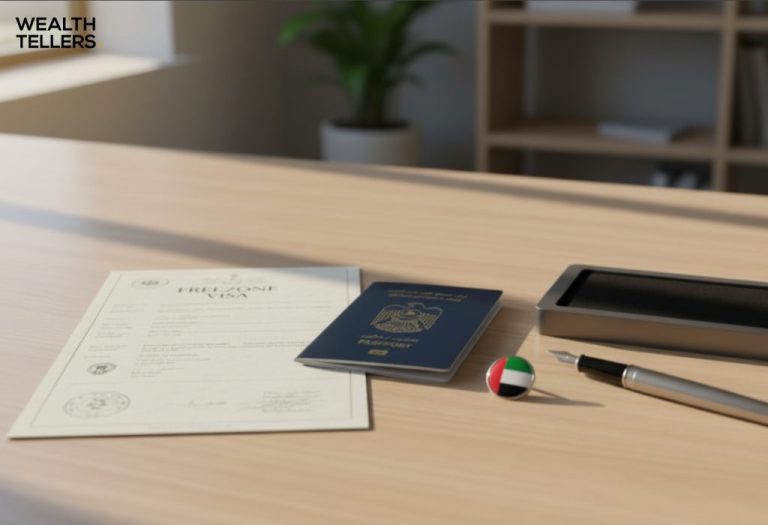
If you are eager to start a business in the United Arab Emirates, one of the most attractive options is obtaining a freezone visa in the UAE. With a freezone visa, you can typically enjoy 100 percent business ownership, minimal corporate taxes, and a streamlined setup process. These advantages have turned the UAE into a global hotspot for entrepreneurs who want a fast track to launching and scaling their ventures.
By learning the ins and outs of freezone visas, you position yourself for a smoother transition into this vibrant market. Below, you will find a step-by-step guide to help you understand free zones, eligibility criteria, and application procedures. Whether you are completely new to the concept or simply looking for updated information, this overview will empower you to take your next steps confidently.
Quick Overview of UAE Free Zones
Free zones are specially designated areas in the UAE where businesses benefit from reduced regulations, zero personal income tax, and full company ownership. Each free zone has its own governing authority. These authorities manage business licensing, residence visas, and day-to-day administrative processes.
Special Economic Areas
Each free zone has its own rules and focuses on specific industries.
Full Ownership
You can own 100% of your business in most free zones.
Licensing Authority
The free zone authority issues licences and residence visas.
Common industries in these zones range from technology and e-commerce to trading and consultancy. Because of their industry focus, you will find some free zones cater specifically to media companies, while others are dedicated to manufacturing, finance, or even crypto-related ventures. If you want to get a sense of which free zone matches your business idea, you can explore resources such as uae free zones for new entrepreneurs.
Key Benefits for Entrepreneurs
- 100 percent foreign ownership of your business
- Zero personal income tax and corporate tax (for most free zones)
- Straightforward import and export processes
- Full repatriation of capital and profits
- Dedicated support from free zone authorities for streamlined company registration
All these benefits make a freezone visa in the UAE particularly appealing if you are seeking a hassle-free path to company formation in one of the world’s most dynamic markets.
What You Gain With a UAE Freezone Visa
A quick snapshot of the main advantages mentioned above, grouped so you can see where the real value sits.
100% Foreign Ownership
Set up your company without a local shareholder. You stay in control of equity and key decisions.
Tax-Efficient Structure
Many free zones offer zero personal income tax and low or zero corporate tax for qualifying activities.
Trade & Logistics Ease
Simplified import and export, plus the option to repatriate profits and capital in full.
Dedicated Authority Support
Free zone authorities guide you on licensing, visas, and renewals, reducing back-and-forth with multiple entities.
Determine Your Eligibility
Before moving ahead, it is important to confirm that you meet the eligibility criteria for a freezone visa in the UAE. While each free zone has slightly different requirements, the fundamentals stay the same.
Types of Freezone Visas
The type of visa you apply for depends on your role and your business structure. Common free zone visa types include:
- Investor/Partner Visa: Ideal if you will be a business owner or partner in the free zone.
- Employment Visa: Designed for staff hired by companies operating within a free zone.
- Freelancer Permit: Suited for individuals who offer specialized freelance services such as design or marketing.
If you are not sure which visa type fits your business model, reviewing how to setup a business in the uae can clarify essential information about structuring your operations.
Freezone Visa Types
See which category generally aligns with your role.
Investor / Partner Visa
For founders and owners operating under a free zone licence.
Best for foundersEmployment Visa
Issued to employees hired by a free zone company.
Best for staffFreelancer Permit
For individuals offering specialised services like design or digital marketing.
Best for solo expertsRequired Documents
While the exact list may vary among free zones, you will generally need:
- Valid passport with at least six months of remaining validity
- Passport-sized photographs
- Completed visa application forms
- Proof of business setup or employment contract
- Any educational certificates required for certain professional roles
- Entry permit (if you are applying from inside the UAE)
Ensuring all documents are accurate and up to date will help you avoid delays.
Key Documents for a UAE Freezone Visa
| Document | Who Typically Needs It | Notes & Practical Tips |
|---|---|---|
| Passport (6+ months validity) | All applicants | Make sure your passport has enough blank pages. Scan a clear colour copy and keep a backup in cloud storage. |
| Passport-sized photographs | All applicants | Follow the latest UAE photo requirements (size, background colour). Many free zones accept recent high-quality digital photos. |
| Completed visa application form | All visa types | Use the official form provided by the free zone authority. Double-check spelling of your name as per passport. |
| Business setup documents or employment contract | Investors, partners, and employees | This can include your trade license application, incorporation documents, or an offer letter issued by the free zone company. |
| Educational / professional certificates | Certain regulated roles | Some activities require attested degrees or professional qualifications. Ask the free zone if attestation is needed before you apply. |
| Entry permit | Applicants entering from outside the UAE | Usually arranged after initial approval. Check the validity period and travel to the UAE before it expires to avoid repeating steps. |
Step-by-Step Process to Apply
Getting a freezone visa in the UAE typically involves a series of steps from preliminary research to visa stamping. The process may feel overwhelming at first, but breaking it down into clear stages will support a smooth path to approval.
Freezone Visa Process in 5 Clear Steps
Use this as a checklist alongside the detailed explanation in your article so you do not miss any key stage.
Choose your free zone
Match your activity and budget with a suitable free zone, considering licence type, office options, and ongoing fees.
Prepare your paperwork
Collect passport copies, photos, forms, and any required contracts or certificates as per the free zone’s checklist.
Submit application & fees
File the company and visa application through the free zone portal or service centre and pay the licence and visa fees.
Complete medical & Emirates ID
After the entry permit is issued, enter the UAE, attend the medical test, and submit biometrics for your Emirates ID.
Receive visa stamping
Once approvals are complete, your residence visa is stamped on your passport and you can open a bank account and operate.
Step 1: Research and Select a Free Zone
Your first task is to choose which free zone best aligns with your industry and goals. Each free zone has its own niche, unique benefits, and fees. Researching these options thoroughly is essential. You will want to factor in aspects like location, cost structures, proximity to major logistics routes, and the availability of coworking or office facilities.
For a detailed look at costs, you may find it helpful to browse cost to setup freezone company in uae. If you compare costs across multiple free zones, you can see where you get the most value in terms of licenses, office amenities, and support services.
Step 2: Prepare Your Paperwork
Once you have decided which free zone is right for you, you will be directed to gather and submit specific documents. At this stage, you should:
- Complete application forms provided by the free zone authority.
- Deposit the required fees, including license and visa processing fees.
- Prepare your passport photos, business plan, and any educational or professional certifications that might be requested.
Consider consulting pro services for assistance finalizing and organizing the paperwork. These professionals will ensure you follow each free zone’s guidelines promptly and accurately.
Step 3: Submit Your Application
After preparing all necessary documents, you will submit them directly to the free zone authority. In many cases, applications can be done online, making it more convenient if you are managing the process from outside the country.
Double-check that every form is accurately completed and that all required fees are covered. If your application package is missing any signatures or supporting materials, you will experience delays. Accuracy here greatly speeds up your approval process.
Step 4: Complete Medical Tests and Emirates ID Registration
Once your entry permit is approved, you will typically enter the UAE (if you are currently abroad) to complete the next steps in person. These steps usually include:
- Undergoing a standard medical examination that screens for certain conditions.
- Applying for your Emirates ID, a mandatory identification card in the UAE.
Many free zones have designated centers to guide you through these processes. Alternatively, you can visit official government medical centers and service branches to fulfill the requirements.
Step 5: Stamping Your Visa
With your medical tests and Emirates ID application completed, you will receive a stamped residence visa in your passport. This stamp verifies your legal right to live and work in the UAE under the free zone’s sponsorship. Once approved, your free zone visa can typically be renewed every one, two, or three years, depending on the terms outlined by your chosen free zone.
At this point, you are officially authorized to conduct business within the free zone. If your goals include opening a bank account, you can explore corporate banking options specifically tailored to your business type.
Common Challenges and Mistakes
Even with a thorough plan, you may encounter pitfalls when applying for a freezone visa in the UAE. Being aware of these challenges will help you sidestep costly errors.
Skipping Proper Research
One major misstep is not clarifying the special requirements of the free zone you choose. Certain free zones may require physical office space, while others might allow for flexi-desk or virtual options. Always confirm these details and factor them into your budget before filing any paperwork.
Underestimating Timelines
Visa processing can take time, especially during busy seasons or if you have an incomplete application. Setting realistic expectations about durations for application reviews, medical tests, and Emirates ID processes can alleviate stress. If you anticipate a tight deadline, consider looking into concierge services for additional support.
Common Problems & How to Avoid Them
Skipping the research
Some free zones require office space, others accept flexi-desks or virtual options.
Misjudging timelines
Medical tests, Emirates ID and approvals can take time depending on the season.
Forgetting renewals
Expired visas can lead to fines and delays with banking and licensing.
Overlooking Renewal Requirements
Once you obtain your residency status, you need to plan for renewals. Keep track of your visa expiration date, and set reminders to gather documents and arrange renewal fees. Overstaying your visa can result in penalties that impact your business operations.
Tips to Smooth the Process
Planning and professional assistance can make a world of difference in how quickly and easily you secure a freezone visa in the UAE. By leaning on expert advice, you can navigate the system with confidence.
Using Professional Services
Some entrepreneurs prefer to handle each detail themselves, while others choose specialized agents who know the finer points of free zone regulations. Certain providers offer comprehensive packages that may include:
- Document preparation and review
- Submission of applications on your behalf
- Liaising with free zone authorities and government departments
- Renewal tracking and alerts
These services reduce guesswork and keep the process on track. For instance, compliance services can ensure you stay aligned with local regulations and avoid any mishaps that may cause penalties.
Need Help With the Setup?
A specialist can prepare documents, submit applications and track renewals while you focus on business decisions.
Book ConsultationOngoing Compliance
After you obtain your freezone visa, it is vital to stay informed about the local business environment. Keep an eye on evolving regulations, update your trade license as needed, and accurately maintain your corporate records. If your free zone has mandatory auditing or annual reporting, scheduling time for accounting and bookkeeping will help you submit accurate financial statements.
If you later decide to expand your company to mainland UAE, you may want to look into mainland vs free zone for insights on what that transition involves.
Next Steps for Your UAE Business
Securing your freezone visa is just the start of your entrepreneurial journey. Once you are set up, you have multiple opportunities to grow your presence in the region. Here are a few areas to keep in mind.
Additional Licensing Needs
Depending on your sector, you may need additional permits. This could include special approvals for activities like financial consulting, production, or importing certain goods.
You might also need to learn about different business structures available in the UAE to accommodate your expansion plans. The country offers flexible options like FZ LLC (Free Zone Limited Liability Company) and other models for foreigners who plan to form partnerships or subsidiaries.
Ongoing Expansion
Maintaining a strong digital presence can boost your sales and brand awareness. Taking advantage of digital marketing strategies for startups often leads to better visibility in a competitive market. You might also explore tax consultancy to optimize your tax planning and ensure compliance with VAT or other local taxes.
If you are investigating future investments, best investment opportunities for expats offers ideas for growing your income streams in the region. The UAE’s diverse economic landscape means you can pivot or expand into multiple sectors with the right guidance.
Your Expansion Roadmap
Stabilise operations
Renew your licence on time, keep accounting accurate, and monitor activity changes in your free zone.
Add licences or activities
Apply for new options such as consultancy, trading or e-commerce as your business model grows.
Explore new investments
Expand to other sectors or consider mainland UAE if your strategy requires a broader customer base.
Get Ready to Launch in the UAE
A freezone visa in the UAE can open doors to dynamic networking, profitable client bases, and a lifestyle that merges work with global culture. By choosing a suitable free zone, gathering documents methodically, and following the application steps carefully, you increase your chances of a swift and successful outcome.
Keep in mind that your journey does not end once your visa is stamped. Ongoing maintenance, from license renewals to updating business activities, is an integral part of running a thriving enterprise in the UAE. When in doubt, do not hesitate to consult professionals for guidance. You will find that strategic planning and full compliance will support your growth as you navigate what the UAE has to offer.
Take time now to review the next steps, from finalizing your office space to completing any required registrations. Once these pieces are in place, you will be ready to capitalize on the UAE’s supportive ecosystem for entrepreneurs. Whether you are seeking quick incorporation, low taxes, or a central location for global trade, the free zone model suits a wide range of ventures. Good luck on your journey, and remember that the UAE’s opportunities are there for you to seize with the right planning and perseverance.
Ready to Plan Your Freezone Setup?
Understand your visa type, documents, and timeline before you submit anything.