English
  العربية
  Français
  简体中文
简体中文  香港中文
香港中文 


E-commerce is thriving worldwide, and many entrepreneurs like you are turning to Dubai as a prime location to launch their online ventures. By starting an e-commerce business in Dubai, you can tap into the city’s robust infrastructure, growing consumer base, and government support aimed at driving digital innovation.
This guide walks you through the essentials from choosing the right legal structure to planning your long-term growth so you can confidently enter the UAE market.
Recognize the Potential of E-Commerce
When it comes to global hubs for online commerce, Dubai holds a distinct edge. Thanks to high internet penetration, a tech-savvy population, and a strategic trade location, it’s an ideal springboard for your e-commerce ambitions. Whether you plan to offer consumer goods, digital services, or specialized products, you can benefit from the following advantages:
- Access to a broad regional customer base Dubai’s connectivity draws in both local and international shoppers.
- Modern logistics facilities for faster shipping and fulfillment.
- Government support through initiatives that reduce barriers for new online businesses.
- A business-friendly regulatory framework that encourages foreign investment.
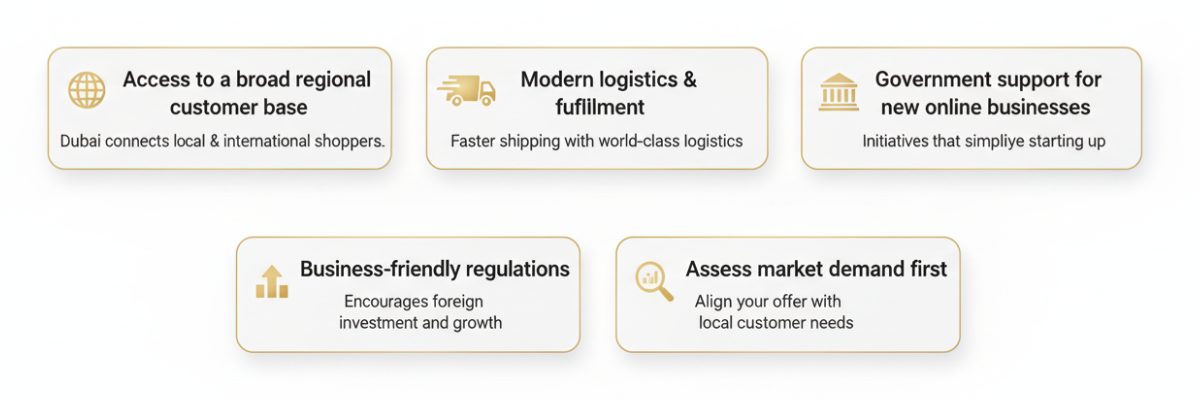
Before you dive in, spend time assessing market demand and your unique value proposition. The key is to align what you’re offering with local consumer needs and preferences. A focused strategy can position you for stronger brand recognition in a rapidly expanding online marketplace.
Choose Your Legal Structure
Your choice of legal structure is one of the most critical decisions you’ll make while forming an e-commerce business in Dubai. The right setup affects your tax obligations, ownership rights, operational costs, and the ability to scale.
Generally, you can choose between a mainland company, a free zone entity, or an offshore structure. Each comes with specific advantages and limitations.
- Mainland: If you plan to cater to the Dubai market as well as broader UAE clientele without geographical restrictions, a mainland company allows you to trade freely across the region. You may, however, need a local service agent or partner in some cases, which can influence your ownership percentage.
- Free Zone: Many e-commerce startups opt for a free zone setup to benefit from full foreign ownership, zero corporate taxes, and streamlined company registration. Yet, you usually cannot sell directly to the local UAE market without engaging a local distributor. For details on what to consider, check out mainland vs free zone.
- Offshore: This structure offers advantages in tax optimization and confidentiality, but offshore companies typically cannot conduct business within the UAE without special permissions or local agents.
Before you settle on any structure, compare the pros and cons of each. You may also want to review licensing fees, import regulations, and the cost of business license in dubai to ensure your chosen structure lines up with your budget and growth trajectory.
Legal Structure Comparison
| Structure | Ownership | Sell in UAE | Pros | Cons |
|---|---|---|---|---|
| Mainland | Varies | Yes | Full UAE trading access | May require local agent for some activities |
| Free Zone | 100% foreign | Via distributor | Strong ownership flexibility and tax benefits | Restrictions on direct local UAE sales |
| Offshore | 100% foreign | No (without approvals) | Useful for tax planning and holding structures | Limited UAE operational activity |
Secure the Right Business License
To legally operate, you must secure a business license that specifically covers e-commerce activities. This step involves registering your company and listing your intended activities under the Commercial License category or E-commerce License category, depending on the free zone or mainland jurisdiction.
Below are key steps for a smoother licensing process:
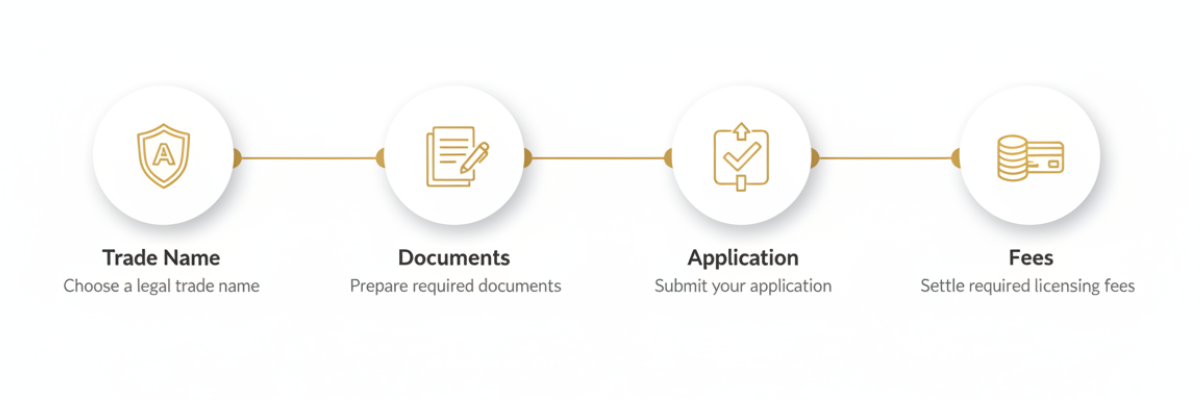
- Register Your Trade Name: Select a name that resonates with your brand identity and meets UAE regulations. Make sure the name is available by checking with the relevant authorities. If you need guidance, you can explore how to setup a business in the uae for more general tips.
- Prepare Mandatory Documents: Typically, you will provide your passport copy, visa status, proof of address, and a summary of your intended business activities. Some free zones may request a business plan.
- Submit Your Application: Once your documents are ready, apply through the appropriate licensing authority. Free zone entities will apply to their respective free zone authorities, while mainland companies will go through the Department of Economic Development (DED).
- Settle Fees: Pay the required fees, which can vary significantly based on the free zone or mainland setup. For a deeper cost breakdown, see cost of business license in dubai.
Getting your e-commerce license isn’t just a formality. Securing the right license class ensures you operate legally and remain in compliance with UAE regulations. If you’re unsure about the legal requirements, consider working with compliance services or pro services to streamline the registration and licensing process.
Understand the Technical Requirements
Beyond the legal details, you’ll need a robust technical foundation to effectively run your e-commerce business in Dubai. A solid digital infrastructure helps you deliver seamless user experiences, which is vital for building trust and driving sales.
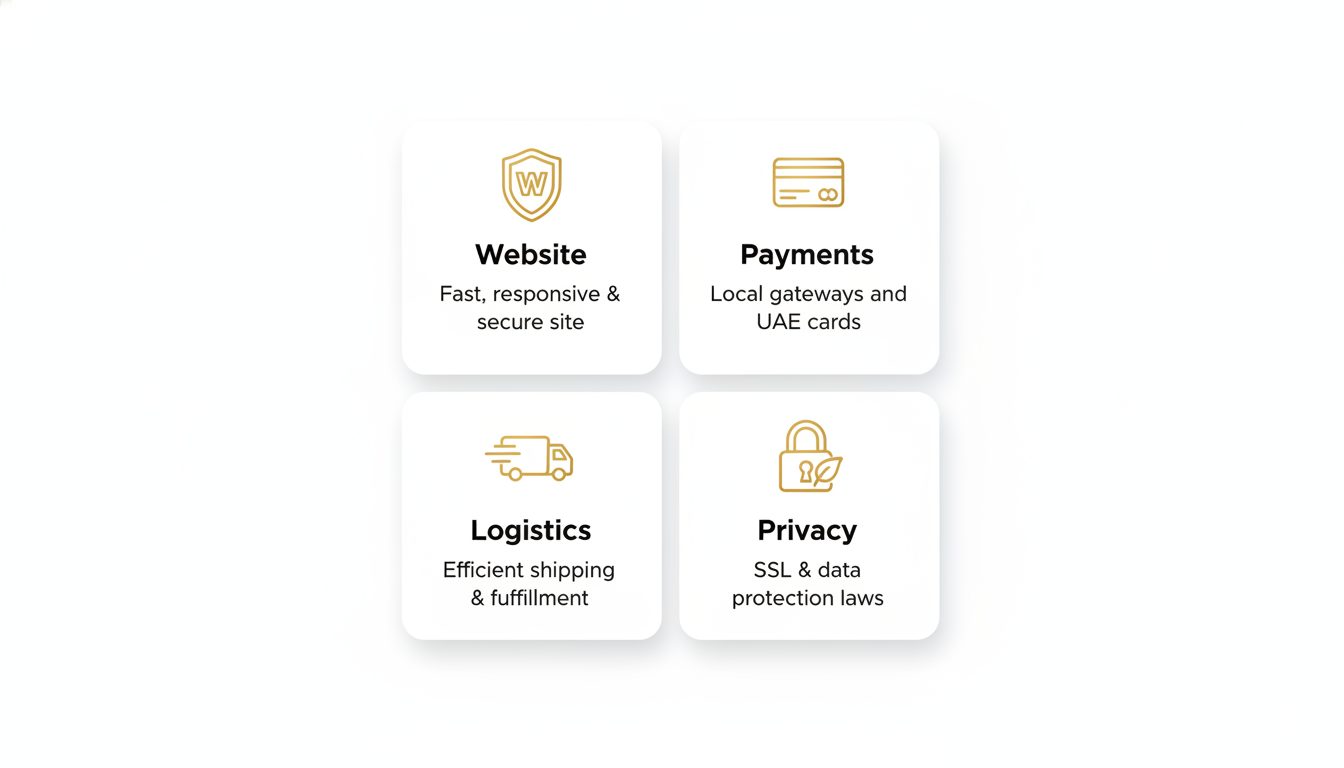
- Website Platform: Whether you choose a custom solution or a ready-made e-commerce platform, ensure your site is mobile-friendly, secure, and visually appealing.
- Payment Gateways: Popular gateways in the region include services that support credit cards, debit cards, and digital wallets. Make sure your chosen gateway is compatible with local banks.
- Logistics and Fulfillment: Dubai’s logistics networks are among the most advanced in the Middle East. Still, you’ll need to decide if you’ll handle shipping yourself or partner with a third-party logistics provider.
- Data Privacy and Cybersecurity: Implement SSL certificates, firewalls, and secure hosting. Adhering to data protection laws is essential for maintaining customer trust and avoiding potential fines.
It’s also wise to future-proof your operations by integrating tools for inventory management and customer support. Thoughtful planning early on can minimize costly reworks or platform migrations down the road.
Build Your Brand and Platform
A compelling brand identity sets you apart from the crowd. When you’re operating in a competitive market like Dubai, your ability to resonate with customers both visually and through your messaging can determine how quickly you scale.
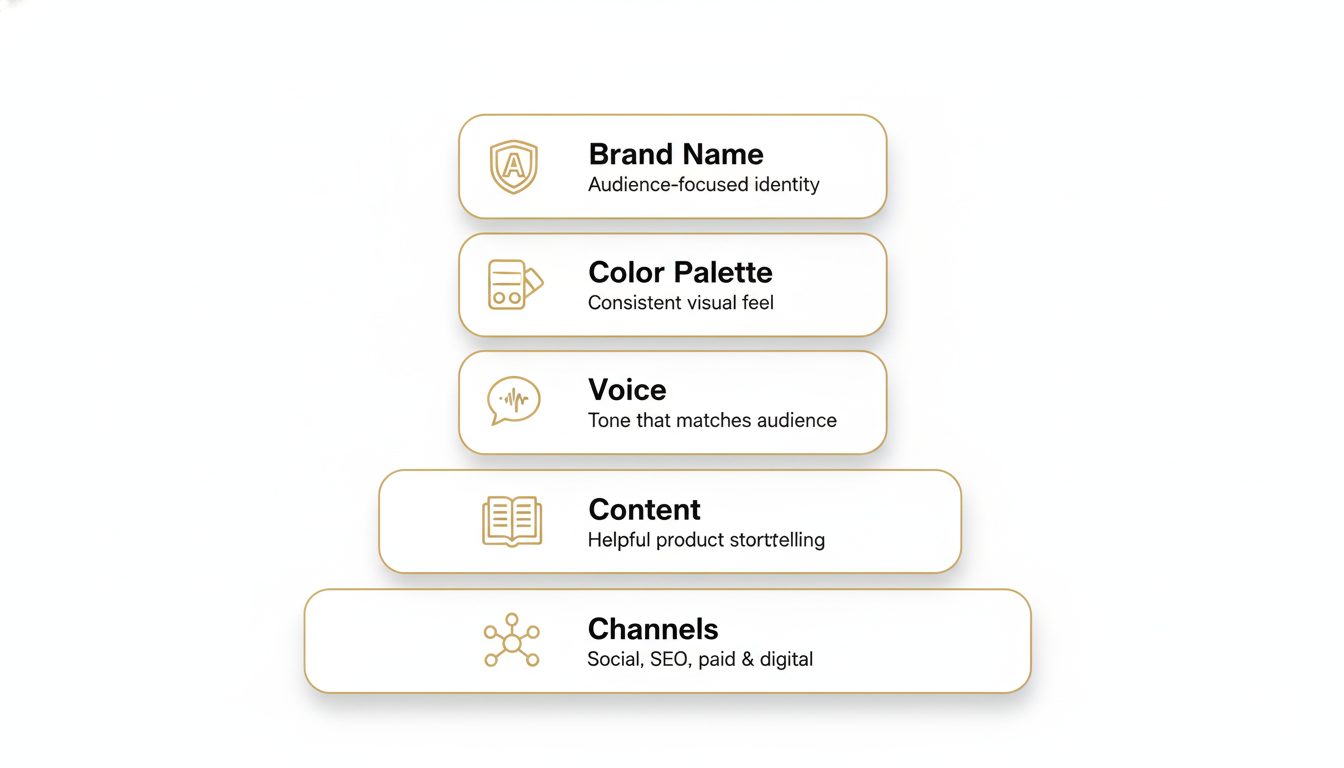
- Brand Name and Style: Ensure your logo, color palette, and brand voice speak directly to your target audience. Consistency across social media, website pages, and even packaging reinforces brand recall.
- Optimized Content: Include engaging product descriptions and helpful resources that reflect your brand’s friendly approach. Highlight how your offerings can solve specific problems or elevate daily life.
- Marketing Channels: Harness social media, SEO, and paid ads to grow brand awareness. For more specialized strategies, consider exploring digital marketing strategies for startups.
Don’t overlook the power of collaboration. Partner with influencers, participate in local events, and tap into Dubai’s vibrant business community to expand your network and visibility.
Manage Operations and Finances
Running a successful e-commerce business in Dubai goes beyond simply listing products online. You’ll want to streamline day-to-day operations and keep your finances in check to stay ahead.
- Inventory Management: Automate stock tracking so you never run out of in-demand items or waste money storing slow-moving products.
- Customer Service: Prompt and helpful responses can build loyalty and encourage repeat buys. A live chat feature or dedicated customer support line can set you apart in a crowded marketplace.
- Efficient Banking: Setting up a corporate banking account is crucial for smooth transactions and better hold on your cash flow. Ensure your bank offers e-commerce-friendly services such as real-time transaction monitoring.
- Accounting: Regular bookkeeping is essential for accurate financial insights, especially in a dynamic market. Software or accounting and bookkeeping services help you track profits, manage payroll, and file taxes.
- Tax Compliance: While the UAE has favorable tax conditions, you still need to keep up with VAT requirements and other regulations. Enlisting a tax consultancy service can help you streamline processes and avoid penalties.
Operations & Financial Services
| Service | What it does | Why it matters |
|---|---|---|
| Inventory | Tracks stock | Avoid shortages |
| Customer Support | Handles inquiries | Builds loyalty |
| Accounting | Financial reporting | Informed decisions |
| Tax | VAT compliance | Avoid penalties |
Consider drafting an operational playbook that covers each step from receiving orders to processing refunds so your growing team has a clear reference. Organized operations and transparent finances are the underpinnings of sustainable e-commerce success.
Plan for Future Growth
You’re not just starting an e-commerce business in Dubai to remain stagnant. Planning for growth will open new markets, attract partners, and keep your venture agile in the face of evolving consumer behaviors.
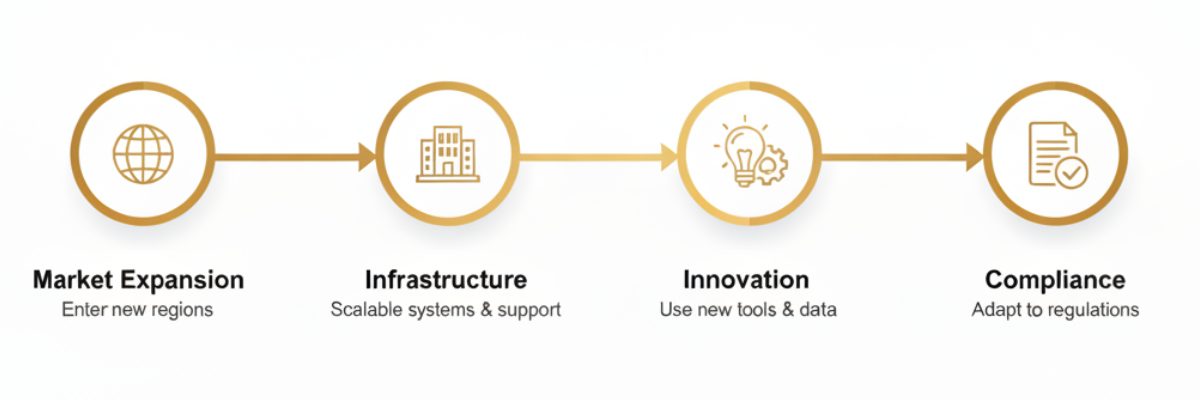
- Market Expansion: As you gain traction locally, you may look to neighboring GCC countries or other international markets. Your Dubai-based operations can serve as a central hub for broader regional distribution.
- Scaling Your Infrastructure: Before you ramp up marketing, verify that your website server, inventory systems, and customer support channels can handle increased demand.
- Reinvest in Innovation: Leverage new tools, tech features, and data insights to refine your product offerings and customer experience.
- Stay Compliant: As regulations evolve, keep a close eye on changes that might affect shipping, customs, or licensing rules. Compliance services can provide updates and advise on adjustments.
Finally, never underestimate the value of a solid business plan. Revisit your strategies and goals periodically, pivoting when necessary to stay relevant. Balancing flexibility with a clear vision will put you in prime position to grow and thrive in Dubai’s competitive online market.
By focusing on the essentials from selecting the ideal legal structure to building a memorable brand you can establish a robust presence in one of the world’s most promising e-commerce centers. As you move forward, tailor your operations to best serve your customers, streamline your finances, and comply with local regulations.
In no time, you could be celebrating milestones while enjoying the benefits of running a forward-thinking e-commerce business in Dubai.
Launch Your E-commerce Business in Dubai
Follow a clear step-by-step path to start selling online and tap into Dubai’s booming digital market.