简体中文
简体中文  English
  العربية
  Français
  香港中文
香港中文 

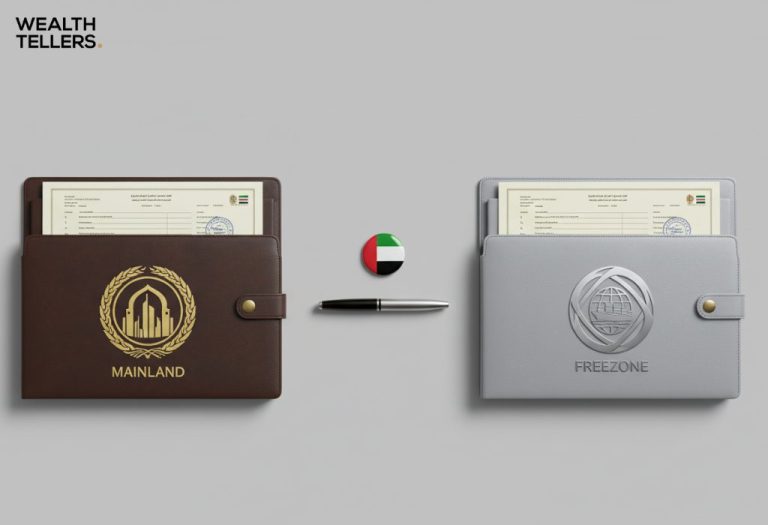
If you are an aspiring entrepreneur or a global investor looking to set up your company in the UAE, you might wonder: mainland vs freezone, which is better for startup? The choice between forming a mainland company or a free zone entity can feel overwhelming, but understanding these structures will help you pick the best path for your goals.
Understand The Basics
内陆公司
Operate anywhere in UAE, government contracts, wider reach.
自贸区公司
100% foreign ownership, simplified setup, limited external trading.
Mainland Overview
Mainland companies are licensed by the Department of Economic Development in each emirate. This setup allows you to operate anywhere in the UAE market and abroad. You can also bid on government contracts and expand your business without major location restrictions.
Free Zone Overview
Free zones are special economic areas designed to attract foreign investment. They typically offer 100 percent foreign ownership, streamlined setup procedures, and zero corporate or personal taxes. However, free zone companies may face geographic restrictions and need a local distributor if they want to trade directly on the UAE mainland.
Compare Ownership And Control
Foreign Ownership In Mainland
Previously, foreign ownership in mainland companies often required a local partner or sponsor. But new regulations allow up to 100 percent foreign shareholding for certain activities, which can be a major advantage if your chosen business activity qualifies. If your activity does not qualify, you still need a local partner who usually owns a minority share, though they do not necessarily handle day-to-day operations.
Mainland vs Free Zone Ownership
| Category | 内陆公司 | 自贸区公司 |
|---|---|---|
| Foreign Ownership | Up to 100% for approved activities | 100% foreign ownership |
| Local Partner | Needed if activity not eligible | Not required |
| Control | Shared unless 100% approved | Full control |
Ownership Perks In Free Zone
If you want full ownership with fewer dependencies on local partners, free zones can be a logical choice. You control the entire company and can often launch with lower capital requirements. This arrangement simplifies decision-making and lets you align the business operations with your long-term vision.
Evaluate Operational Freedom
Trade Flexibility
Mainland companies can serve customers anywhere in the UAE. In contrast, free zone entities often need a local agent or distributor to trade outside their designated zone. If your startup relies heavily on selling products or services throughout the UAE, a mainland license might be more flexible.

Office Space Requirements
Mainland companies usually need a physical office in the emirate where they are registered. Free zone businesses must lease office space or a desk in the free zone itself. Both options have minimum space requirements, though some free zones offer virtual office packages. If physical location is not a big concern, a free zone could be simpler.
Look At Cost And Licensing
Upfront Fees To Expect
Mainland setup costs depend on your business activity, license type, and office space. You might also need pro services or compliance services to handle paperwork. Free zones charge their own fees, which can vary widely depending on the location, visa quota, and type of workspace.
Cost Breakdown
| Cost Area | 内陆公司 | 自贸区公司 |
|---|---|---|
| Initial Setup | Varies by activity + office | Depends on zone + visa quota |
| Renewal | License + office fees | Zone renewal + workspace |
| Hidden Fees | Compliance, office expansion | Permits, visa, approvals |
Hidden Costs To Watch
Always factor in renewal costs, visa fees, and ongoing accounting and bookkeeping expenses. In some free zones, additional permits may raise your operational costs, while mainland companies might pay more for a larger physical space. Investigate all fees early so you know exactly what to budget.
Decide What Suits You Best
Factors To Weigh Before You Choose
- Type of business activity and need for local market access
- Desired level of foreign ownership
- Budget for setup, hidden fees, and annual renewals
- Flexibility with location and office requirements
- Plans for scaling or government contracts
Whether you lean toward a mainland license or a free zone company, both options can make it simpler to tap into the UAE’s thriving economy. If you want more details on available structures, check out business structures in the uae or explore helpful advice on how to setup a business in the uae.
By understanding the pros and cons of each route, you can answer the question mainland vs freezone: which is better for startup? with clarity. Take the time to align your choice with your budget, market reach, and long-term vision. Once you make the right decision, you will be on track to build a successful venture in the UAE.
Best Option for Your Business?
Still unsure which option fits your goals? Get professional advice tailored to your requirements.